July 15, 2026
Gifts to frame: marriage certificate, commemorative documents and special life moments
July 15, 2026
Gifts to frame: marriage certificate, commemorative documents and special life moments
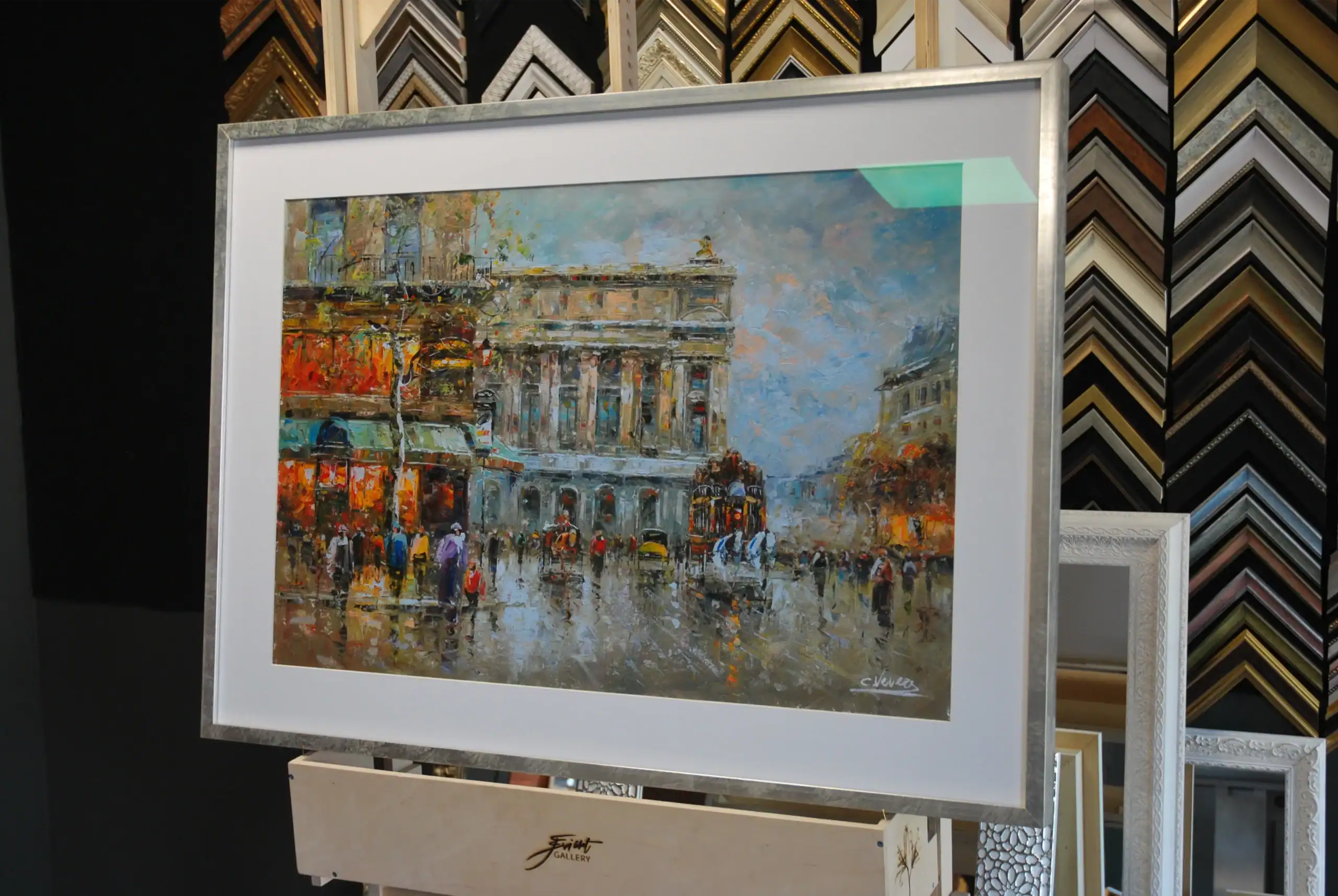
A passe-partout (a paper or cardboard frame inserted between the artwork and the outer frame) is one of the most commonly used elements in professional framing. It can significantly change the perception of the work – both enhancing it and, in some cases, unnecessarily “removing” it from the viewer.
A properly chosen mount helps create balance and visual focus. Used incorrectly, it can make a work look less expressive or disproportionate.
In this article, we look at:, When is a passe-partout mandatory, when does it enhance a work of art, and when is it better not to use it at all?.
A passepartout is a neutral spacer between the artwork and the frame. Its main function is not only decorative – it also has practical and aesthetic significance:
However, a passe-partout is not a universal solution – its use depends on the style, size, and visual structure of the work.
There are situations where a passepartout significantly improves the perception of the work and gives it a professional look.
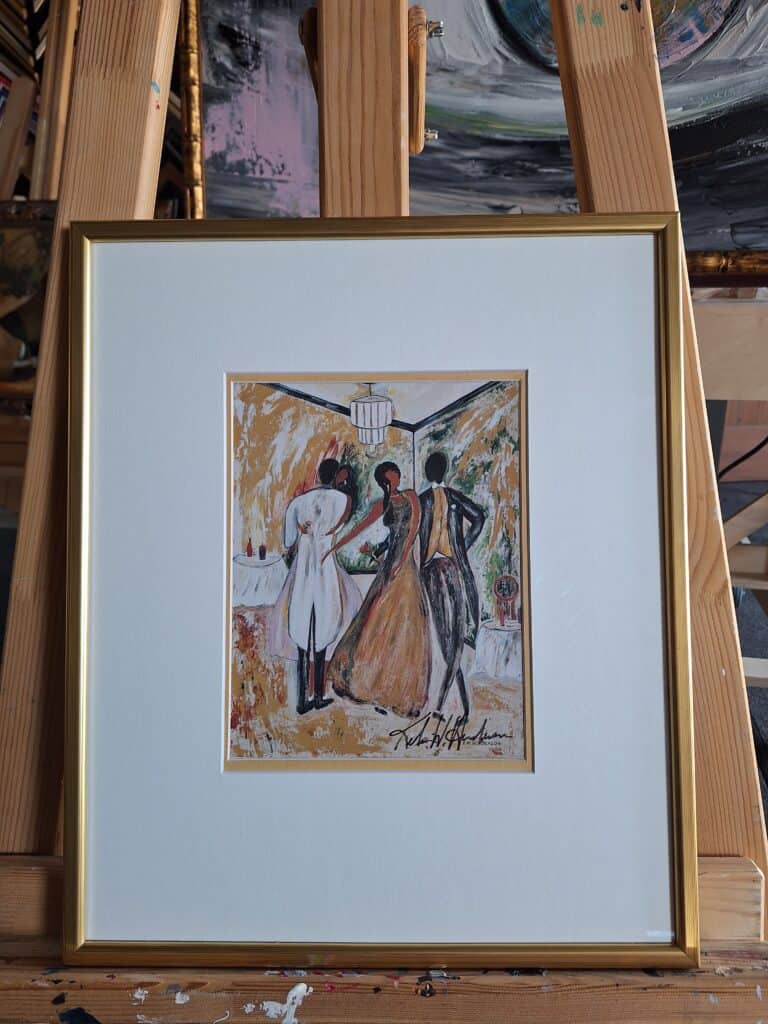
If the artwork is small, a passepartout helps:

Passepartout works especially well with:
This creates a clean, professional gallery aesthetic and helps focus the eye on the image.
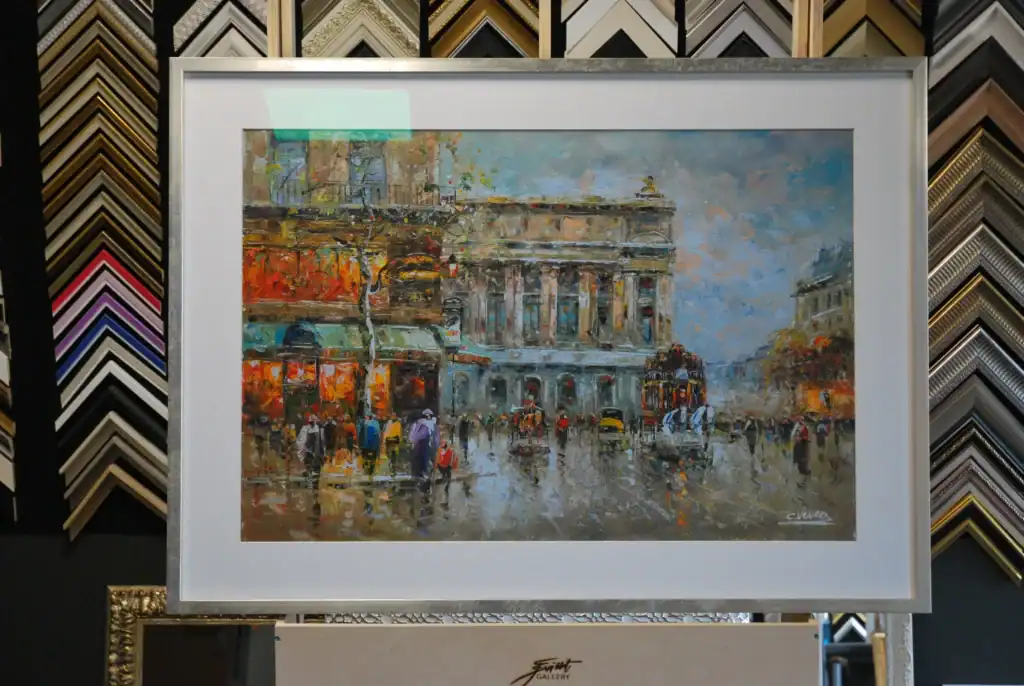
If the work is visually rich or very detailed, passepartout:
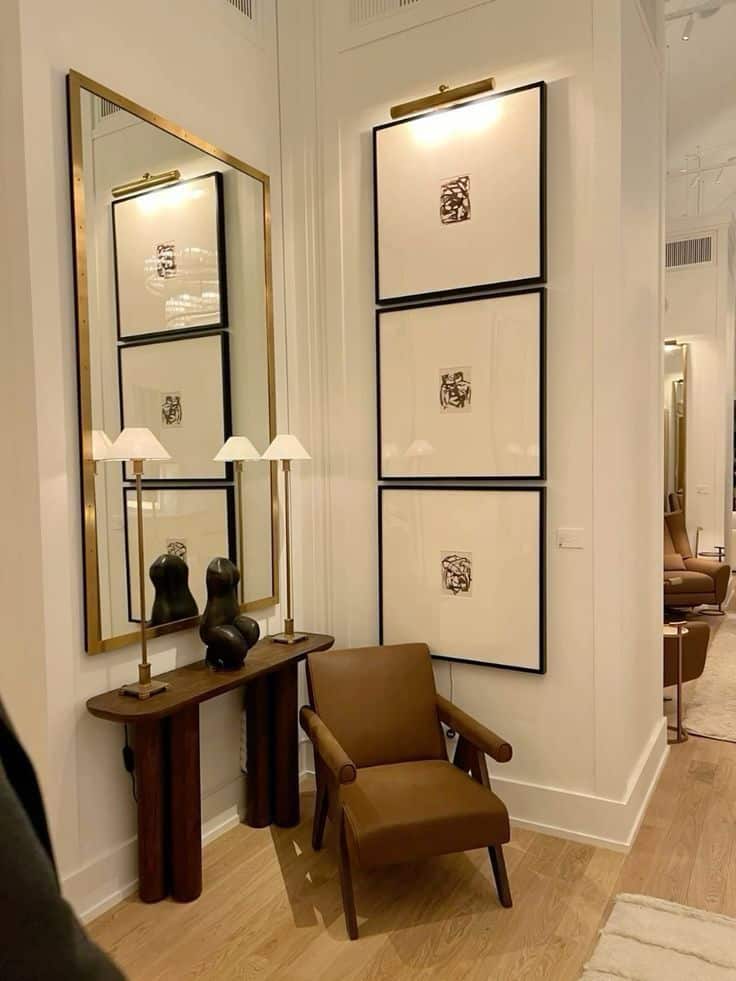
The image is for illustrative purposes only. Source: Pinterest
The passepartout fits perfectly into interiors where:
There are also situations where a passe-partout can be an unnecessary or even distracting element.
If the artwork itself is visually powerful:
A passe-partout can unnecessarily distance the viewer from the work and reduce its impact.
In some cases, the frame is not only a decoration, but also a design element. Then an additional passe-partout can disrupt the proportions.
Some interiors and works use maximum restraint:
In such cases, a passepartout is not necessary.
Choosing the wrong mount often ruins the overall result. The most common mistakes:
A professional approach is always based on three factors:
Is it:
In Passepartout you can:
You need to decide whether to passepartout:
The most important principle: The passepartout is not a mandatory element.. It is a tool that is used when it improves the specific work.
For some works, it adds space, elegance, and a professional gallery feel. For others, a simple, passport-free solution is visually more powerful.
The right solution is always individual.
Choosing the right mount is often a nuanced decision that significantly impacts the final result. That is why a professional approach to framing allows for a visually accurate and aesthetically balanced result.
EVIART Frames helps you choose not only the frame, but also the right mount solution – whether it should be minimal, expressive, or completely unnecessary.
